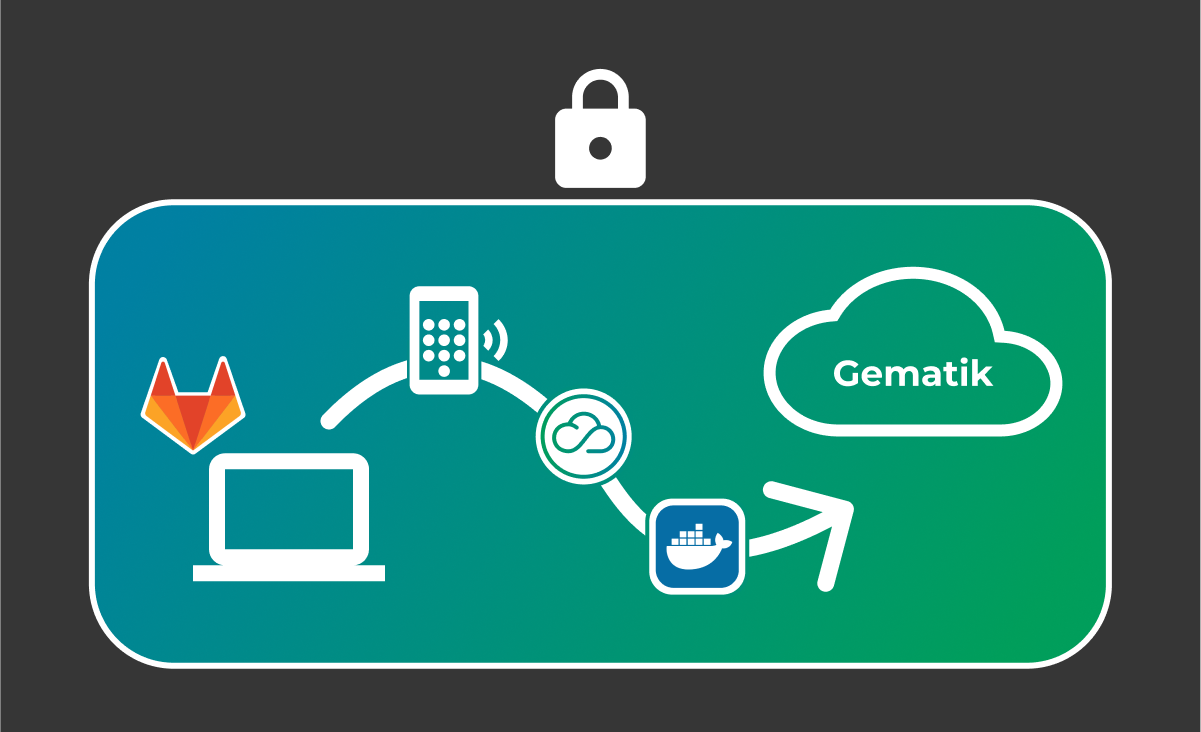
Gematik TI RU environment used in CI/CD pipeline? Yes, that’s feasible!

In this blog post, we explore integration of Gematik TI-RU Environment in a CI/CD pipeline and its profound implications for healthcare application development. We delve into the key concepts behind CI/CD pipelines, the significance of Gematik TI-RU Environment in the healthcare domain, and the steps involved in seamlessly automating the entire development and deployment process. Developing constantly evolving software is quite a challenge. How to deliver new functionality without breaking […]

How to enable Kubernetes cluster autoscaling in AWS

In this blog post, you will learn how to configure autoscaling for a Kubernetes cluster running in AWS. In the most common scenarios web applications are not always under the same workload. The number of users varies depending on the time of a day, week, or even year, so to save resources and money it’s mandatory to scale the underlying infrastructure as per needs. When your application runs on Kubernetes you may […]

OpenFaaS – how to avoid vendor lock-in when doing serverless

Recently serverless computing gets more and more attention and popularity. Thanks to this concept you can increase your productivity because it let you focus almost exclusively on implementing business logic and getting, at the same time, all the enterprise-ready scalability and availability. OpenFaaS is a very interesting player here, as it can be easily deployed on execution environments of ANY size, and ANY flavor. When our customers, those […]

Setting up Ubuntu on GPU EC2 in AWS for ML with PyTorch – part 2

In the first part of this post, we showed you how to set up a G2 class EC2 host in the AWS cloud and how to install Tesla GPU drivers for the Ubuntu operating system on it. Now all that’s left to do is to configure the PyTorch environment and run it on the interactive Jupyter Notebook platform. One of the easiest, but also more productive methods is to use the dedicated data […]